



Chinese AI models — primarily DeepSeek and Z.ai’s GLM-5.2 — now account for as much as 46% of tokens routed through OpenRouter by US companies, up from an 11% annual average just twelve months ago. The shift is almost entirely price-driven: Chinese open-weight models run 60–90% cheaper than Claude and GPT-4o, and the performance gap has narrowed to near-parity on agentic benchmarks.
From Fringe to 46%: The Numbers Behind the Shift
The data reported by CNBC on July 7 tracks token routing on OpenRouter — the API gateway many engineering teams use to switch between AI providers. Chinese models’ share sat above 30% every week since February 8, 2026. The 12-month average before that was 11%, and in the first half of 2025 it was just 4.5%.
The velocity of that change is what matters. It’s not a slow drift — it’s a pivot. And it accelerated in lockstep with US lab pricing increases.

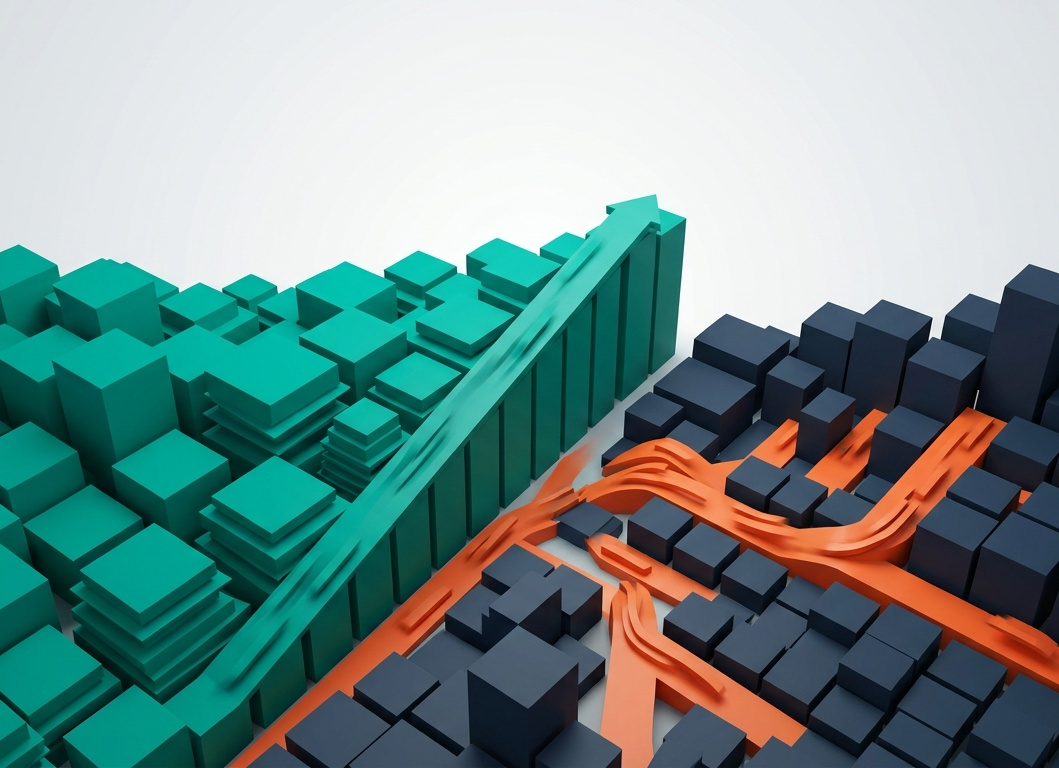
What GLM-5.2 and DeepSeek Actually Cost Compared to Claude
Z.ai’s GLM-5.2 landed within a percentage point of Claude Opus 4.8 on one closely watched agentic benchmark — at roughly a fifth of the cost. Open Chinese models can be “60% to 90% cheaper” than the leading Anthropic and OpenAI models, according to estimates cited by CNBC.
AI startup Lindy made the decision concrete: it moved 100% of its traffic from Claude to DeepSeek, a switch it says will save millions of dollars. On Vercel’s platform, GLM-5.2’s daily token volume grew 27-fold in its first week of availability. “Price is doing the work here,” Vercel’s Harpreet Arora told CNBC. “When a task doesn’t need the best model, teams are beginning to route it to the cheapest one that’s good enough.”
The Security Concern Nobody Wants to Say Out Loud
There is an obvious problem with US companies routing sensitive workloads through Chinese open-weight models — even self-hosted ones. Brookings estimates Chinese models trail top US rivals by just six to nine months on capability. But capability parity is not the same as trust parity.
For enterprises in regulated sectors, the calculus is sharper. Hugging Face’s Yacine Jernite puts the dilemma plainly: a real risk exists that users get “stuck” choosing between expensive US proprietary models with volatile pricing and Chinese models as the only affordable way to own their stack. That’s not a comfortable binary for healthcare, legal, or financial firms.
Anthropic has already moved to close loopholes that allowed Chinese access to Claude via third-party APIs — a signal that the geopolitical dimension of this procurement shift is very much on the table.
What This Means for OpenAI and Anthropic
The 46% figure is a routing statistic, not a direct revenue number for US labs. But it signals something harder to reverse: developer habits. Engineering teams that migrate infrastructure to a cheaper provider build integrations, prompts, and workflows around that provider. Switching back costs real money and time.
OpenAI and Anthropic can compete on capability — and they do. But if the “good enough” tier keeps getting cheaper and closer to frontier quality, the premium tier needs to justify itself on trust, safety, and integration depth — not just benchmark scores. For companies that initially dismissed DeepSeek’s January 2025 debut, the routing data from OpenRouter is a reminder that cost pressure doesn’t wait for official reactions.
Frequently Asked Questions
Which Chinese AI models are US companies using most?
DeepSeek and Z.ai’s GLM-5.2 are the two models driving the bulk of the shift. DeepSeek is an open-weight model that can be self-hosted; GLM-5.2 is available via API and saw a 27-fold spike in daily token volume on Vercel’s platform in its first week. Both offer performance close to Claude Opus 4.8 at a fraction of the price.
What is OpenRouter and why does it matter here?
OpenRouter is an API gateway that lets engineering teams switch between AI providers without changing their application code. It gives visibility into real-world routing decisions — which models teams are actually sending workloads to — making its token share data a reliable proxy for enterprise AI adoption patterns.
Are Chinese AI models safe to use for US enterprise workloads?
That depends on how they’re deployed. Open-weight Chinese models like DeepSeek and GLM-5.2 can be self-hosted on US infrastructure, which limits data exposure. However, security teams at regulated firms — finance, healthcare, legal — should conduct their own risk assessments before routing sensitive workloads through any model with Chinese provenance, even self-hosted ones.
How much cheaper are Chinese AI models compared to Claude or GPT-4o?
According to figures cited by CNBC, Chinese open-weight models can run 60–90% cheaper than leading US systems like Claude Opus 4.8 and GPT-4o. GLM-5.2 specifically was benchmarked at roughly a fifth of the cost of Claude Opus 4.8 while landing within one percentage point on a key agentic benchmark.
Will OpenAI and Anthropic cut prices to compete?
Both labs have made selective price cuts in 2026, but they face a structural tension: frontier model development is expensive, and cutting API prices across the board reduces the revenue needed to fund the next generation of models. The more likely response is tiered pricing — premium frontier access for high-stakes work, cheaper models for commodity tasks — rather than matching Chinese pricing directly.
The routing data from OpenRouter is a leading indicator, not a final verdict. But a shift from 4.5% to 46% in 18 months is not noise — it’s a market signal. Developers building AI into production systems are telling US labs, with their API calls, that price matters more than prestige for a growing share of their workloads. Read more on how AI coding assistants stack up in 2026.
Last Updated: July 2026


